
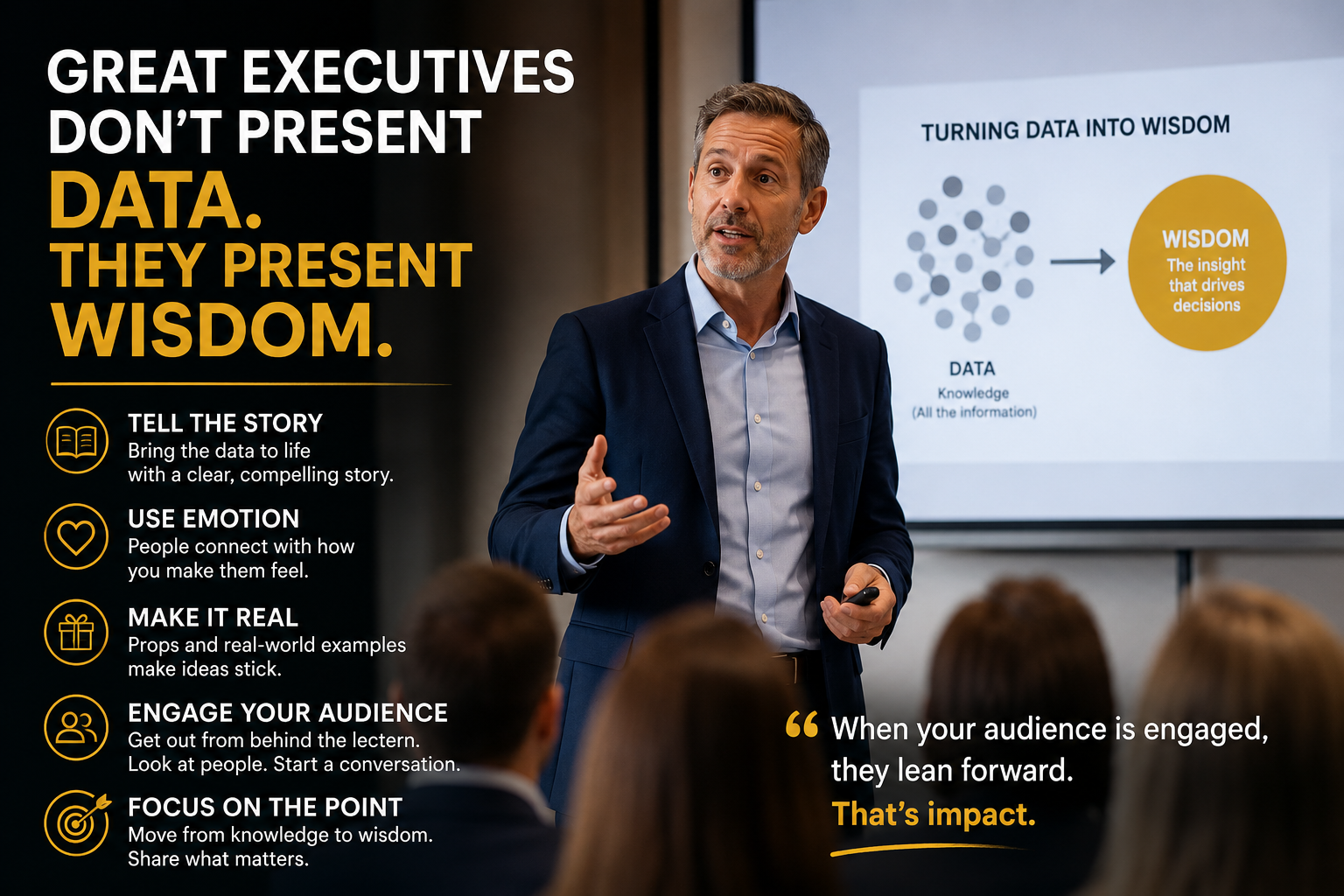
What Are the Presentation Skills Every Executive Needs to Master?
Great executives don't need more slides. They need more presence. One of the most common presentation mistakes I see is data dumping — putting so much information on a slide that the audience stops listening and starts reading. The real skill is knowing how to turn knowledge into wisdom: finding the story in the data, focusing on what matters, and giving your audience a reason to lean forward rather than lean back.
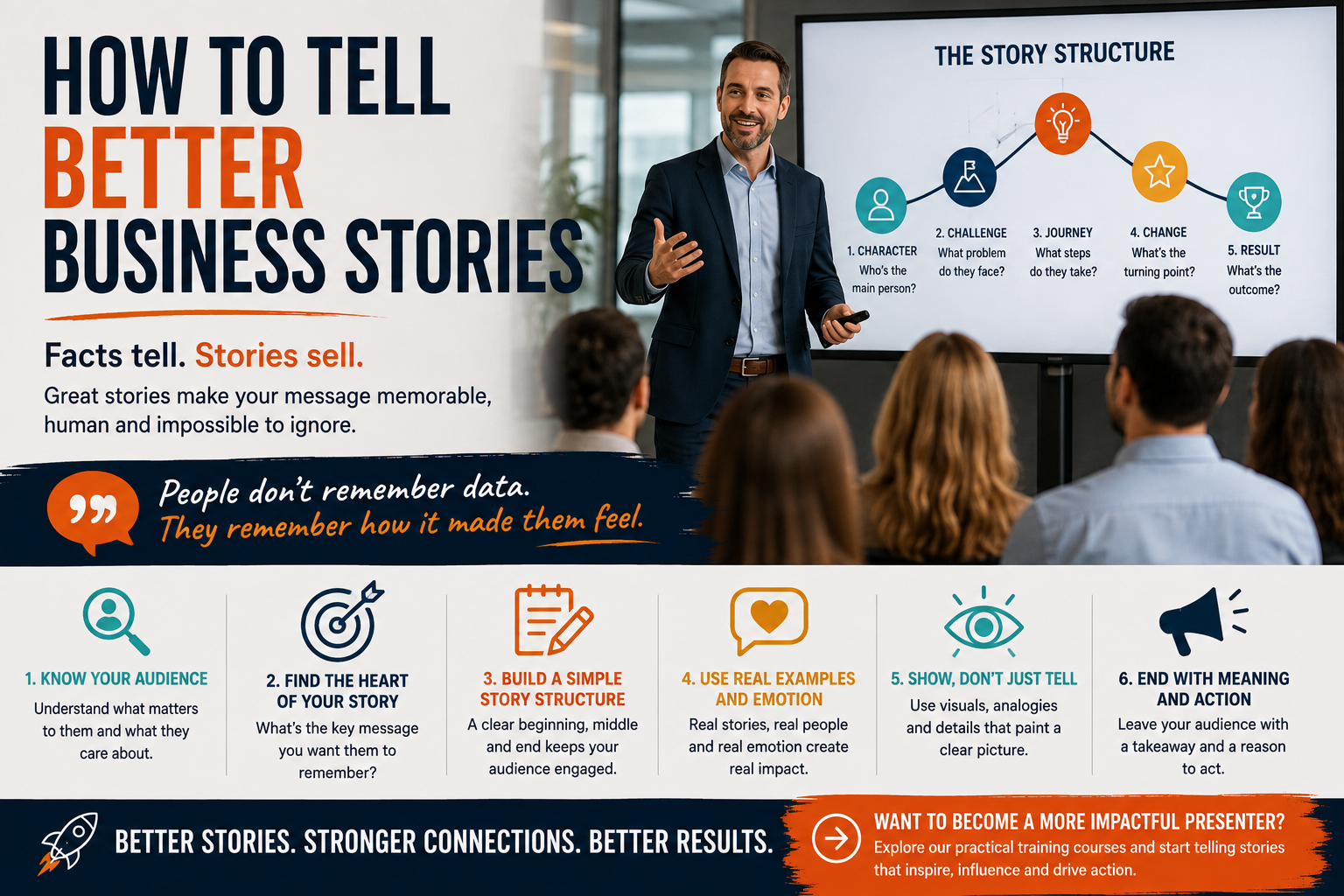
How to Tell Better Business Stories: Turning Information into Impact
Facts inform, but stories inspire action. Whether you're pitching a new idea, leading a team, or presenting to clients, the ability to tell a compelling business story can transform the way your audience listens, remembers, and responds. In this article, you'll discover practical storytelling techniques that help you connect emotionally, simplify complex ideas, and deliver presentations that leave a lasting impact.

The Emotional Connection We Share with Our PowerPoint Slides
Have you ever struggled to delete a slide you spent hours creating? You're not alone. Discover why presenters become emotionally attached to their PowerPoint slides—and why letting go of your favourites can lead to clearer, more engaging, and more memorable presentations.
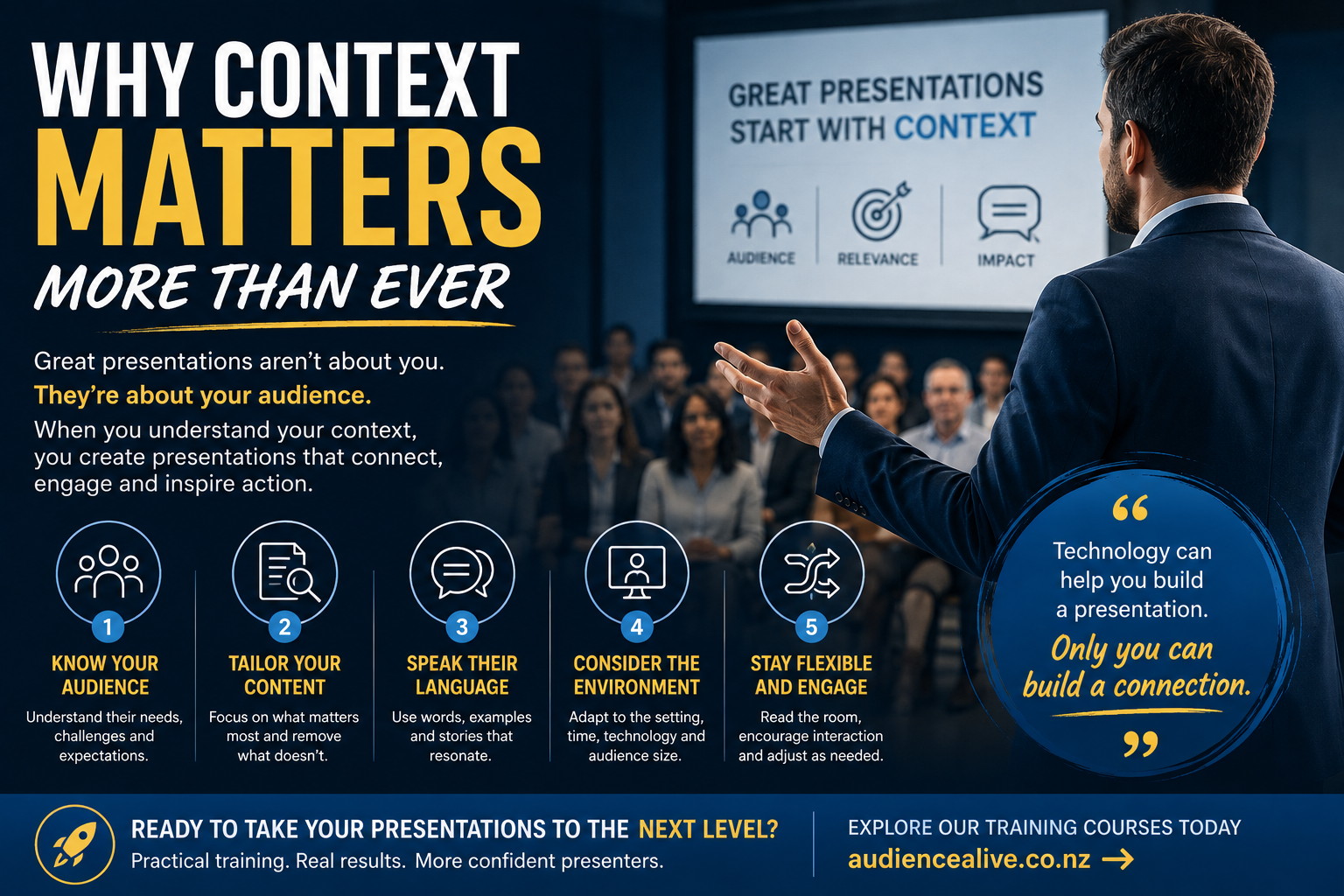
Why Context Matters More Than Ever in Presentations
Contextual presenting involves tailoring your presentation to the specific needs, interests, and expectations of your audience. It’s about understanding the context in which your presentation will be received and adjusting your content, tone, and delivery to maximize its impact.
Unlike a one-size-fits-all approach, contextual presenting considers factors such as the audience’s background, the setting, and the purpose of the presentation. It’s about making your message relevant, relatable, and compelling.
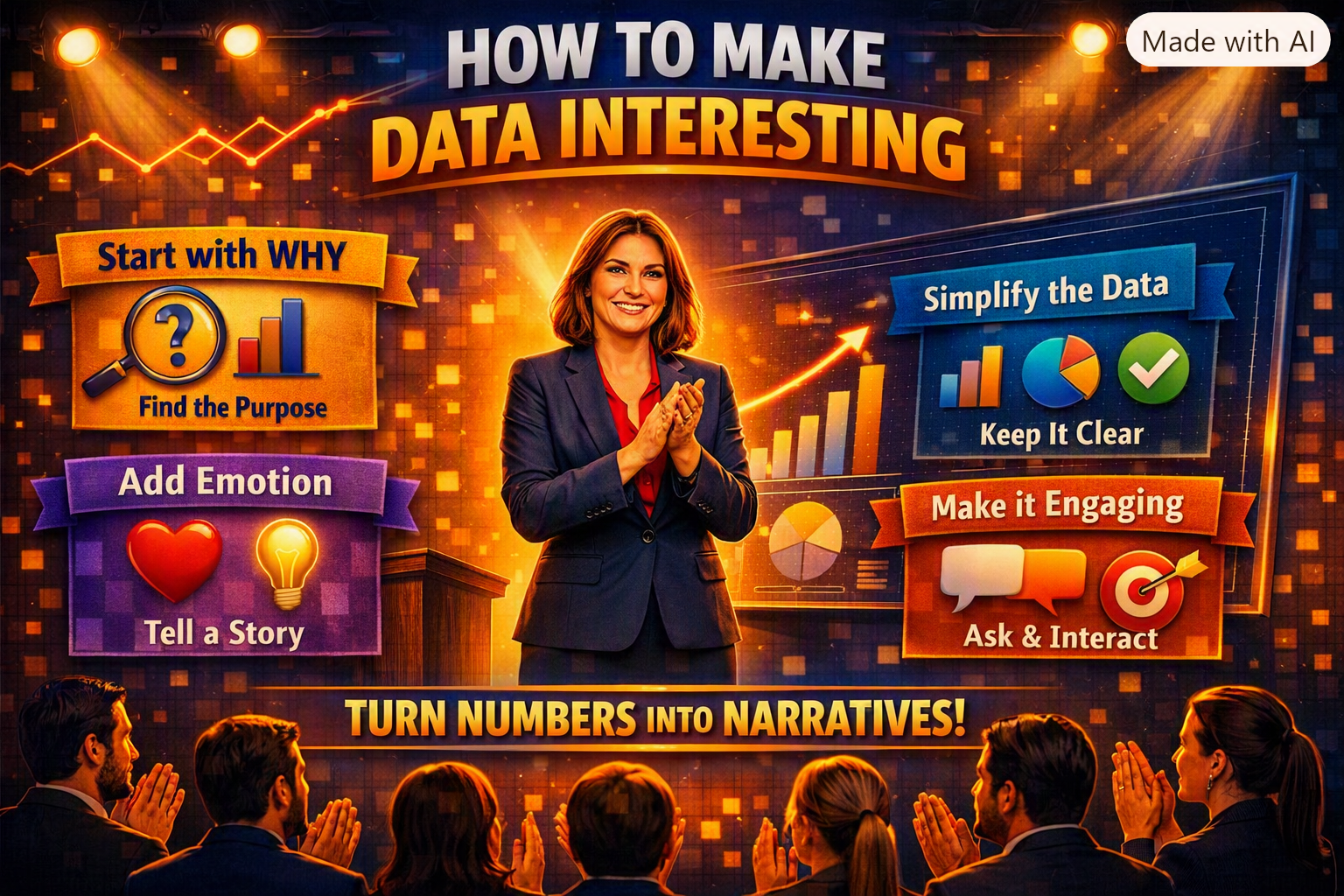
How to Make Data Interesting
Data is everywhere — but not all data tells a story. The difference between a dull spreadsheet and a captivating insight lies in how you present it. Turning numbers into narratives is both an art and a science, and mastering it can transform how your audience sees the world.

Speaking Without Notes: The Art of Authentic Communication
Delivering a speech without notes is one of the most powerful ways to connect with your audience. It signals confidence, mastery, and authenticity — qualities that make listeners lean in and trust what you’re saying. But speaking without notes isn’t about memorization; it’s about internalization.
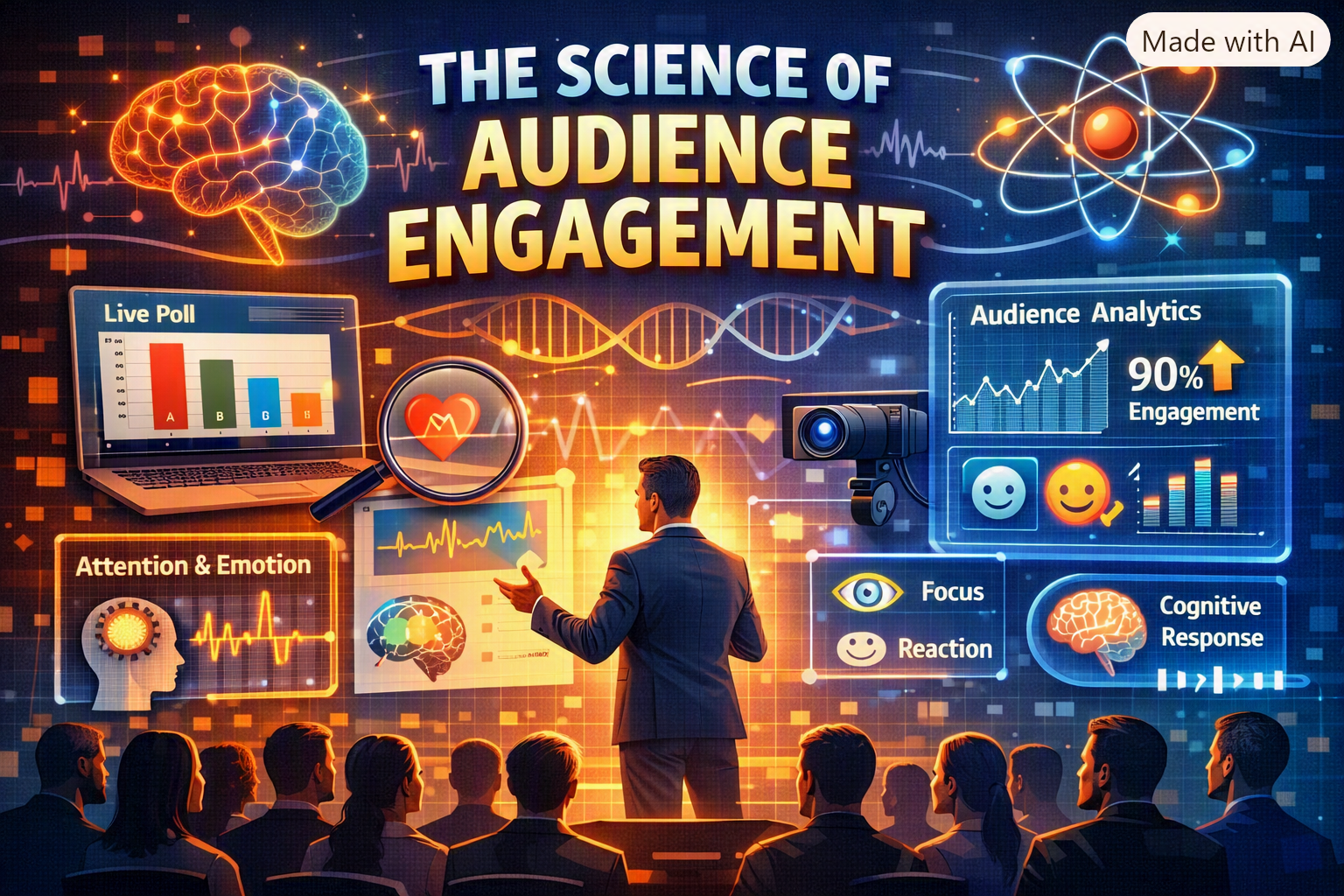
The Science of Audience Engagement
Understanding audience engagement isn’t just an art — it’s a science rooted in psychology, neuroscience, and communication theory. Whether you’re presenting to a boardroom, a classroom, or a global audience, the ability to captivate attention and inspire action depends on how well you understand the human brain.
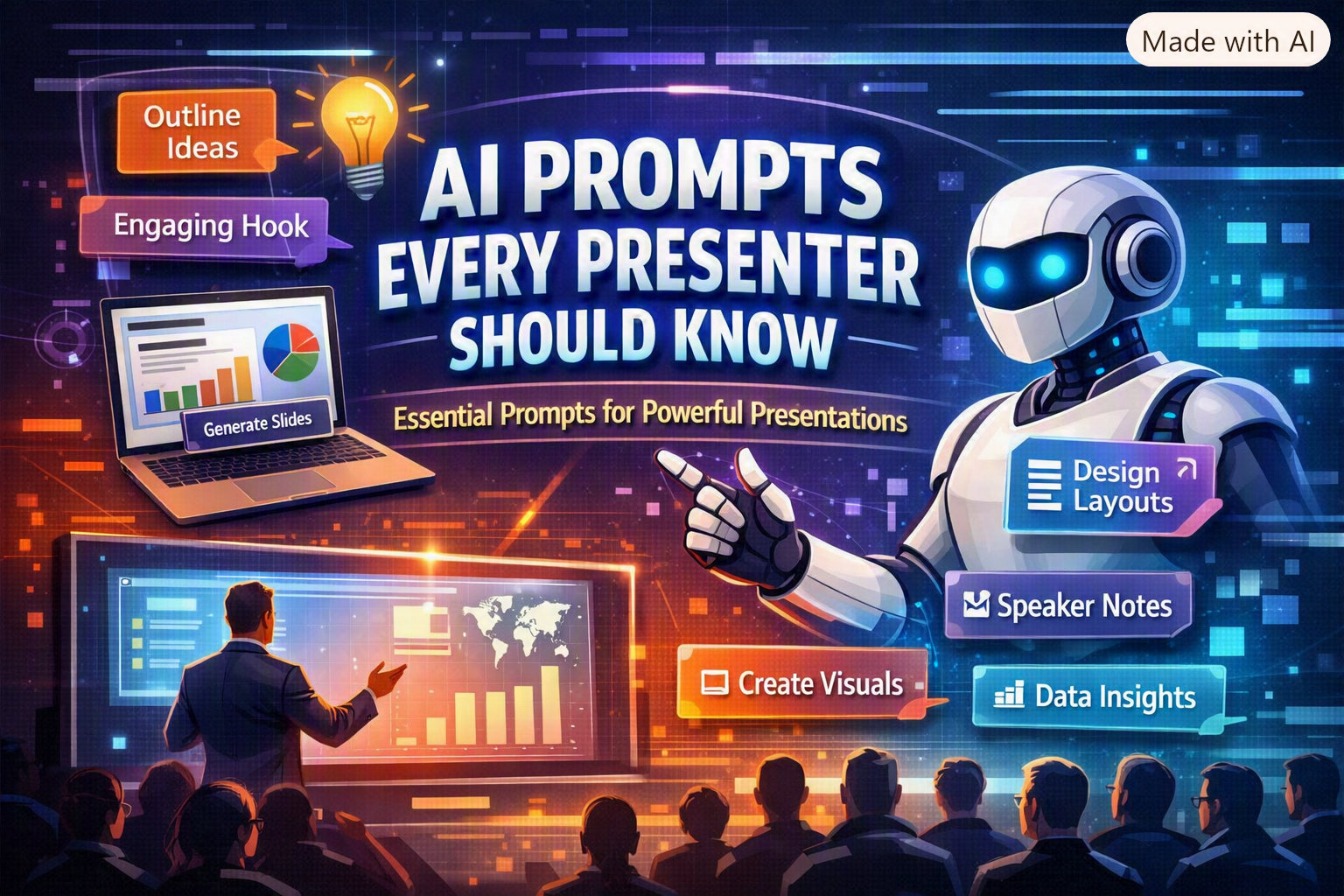
AI Prompts Every Presenter Should Know
Artificial Intelligence is changing the way presentations are created—but knowing what to ask is just as important as the technology itself. Discover 15 practical AI prompts that will help you create stronger presentations, improve storytelling, engage your audience, and save hours of preparation time.
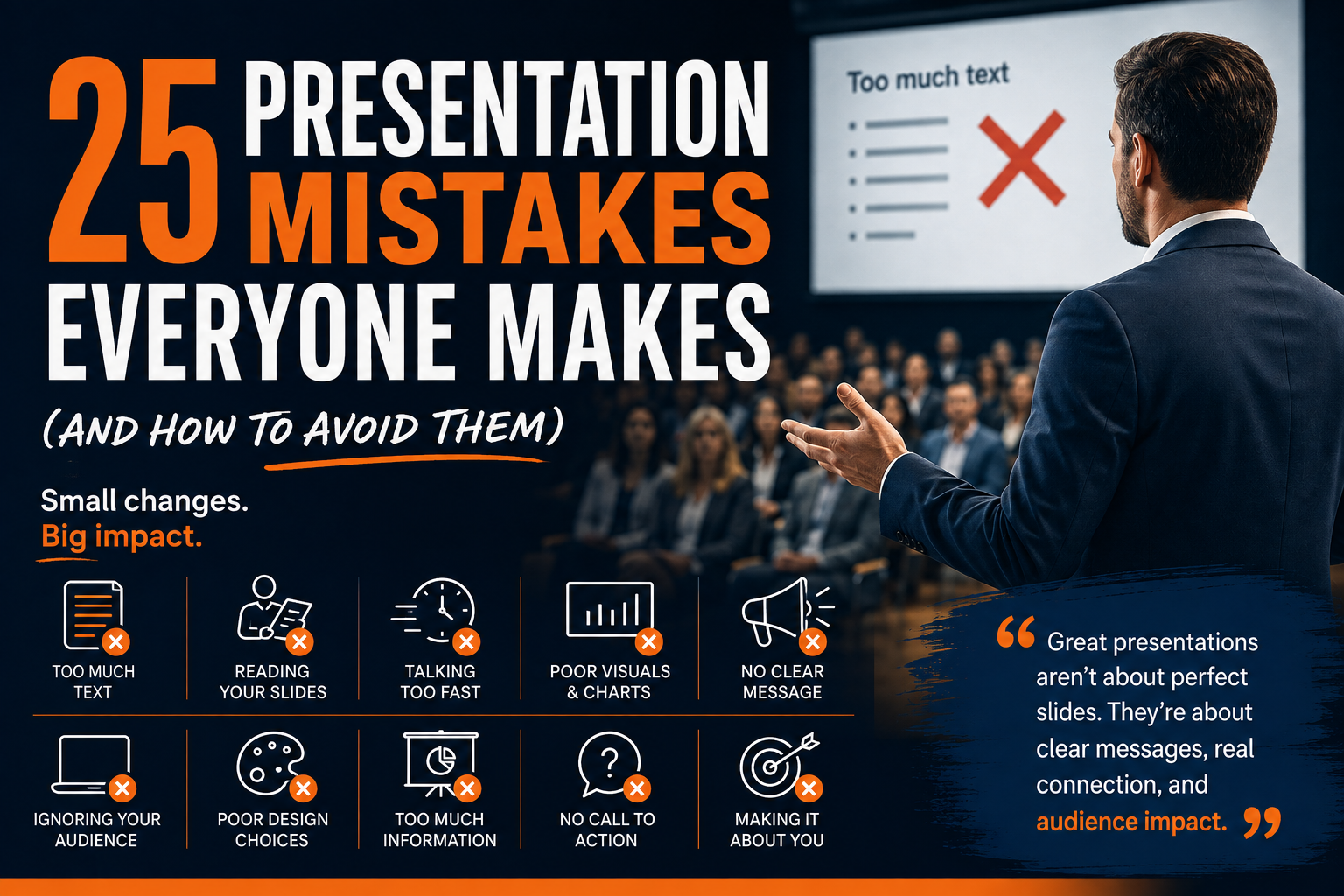
25 Presentation Mistakes Everyone Makes (And How to Avoid Them)
Discover the 25 most common presentation mistakes that undermine your message and learn practical tips to create engaging, memorable, and persuasive presentations every time.

The Impact of AI on Presentations: Why Great Presenters Will Become More Valuable Than Ever
Artificial Intelligence is transforming the way we create presentations—but it's not replacing great presenters. While AI can generate slides, write content, and design visuals in seconds, it can't replace authentic storytelling, emotional connection, or the ability to inspire an audience. In this article, we explore how AI is reshaping presentations, why human communication is becoming even more valuable, and how the smartest presenters are using AI as a powerful partner rather than a replacement.